Project Controls & Assurance
Integration of cost, planning and risk functions, supported by assurance grounded in real evidence and data to drive outcomes.
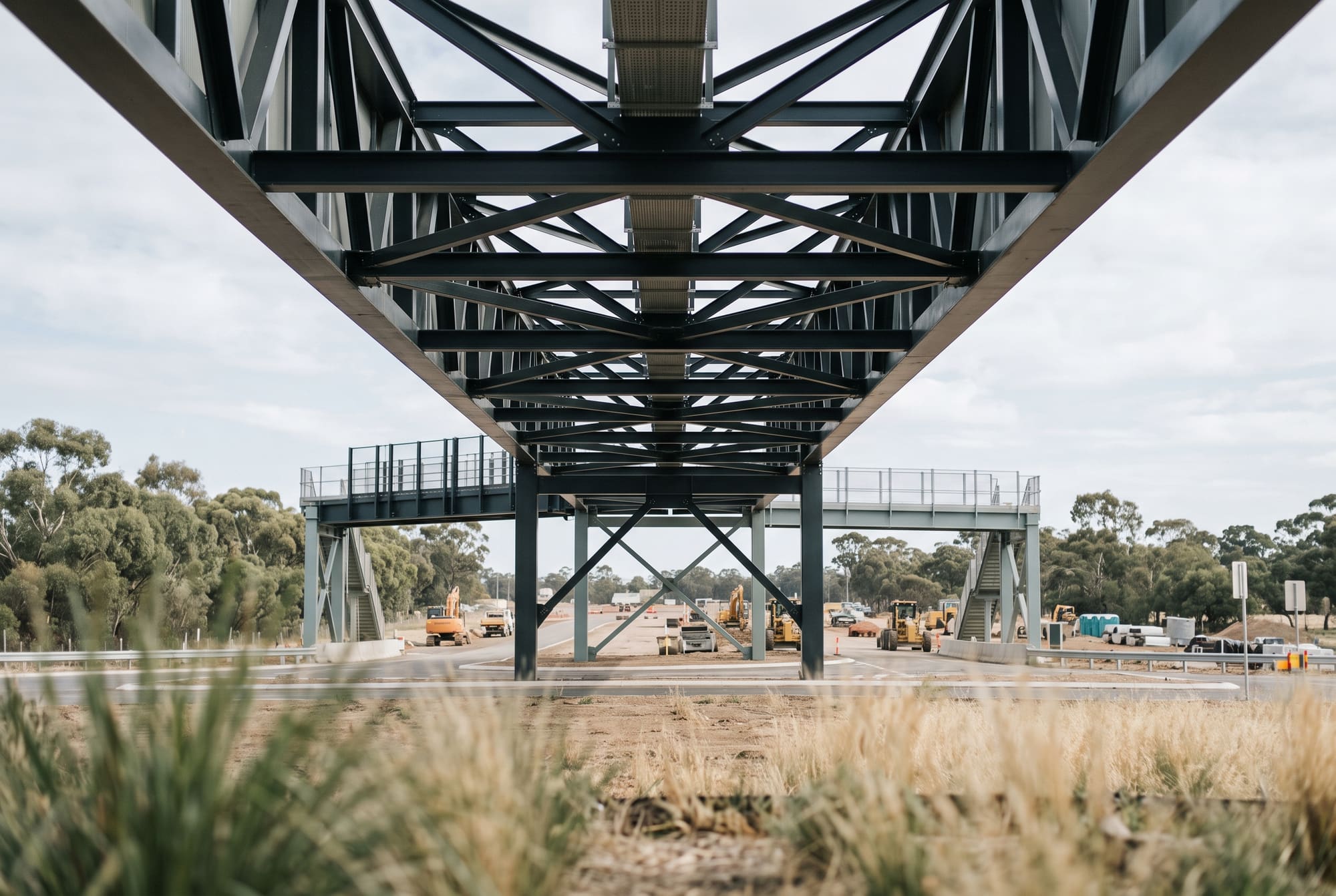
Our assurance capability connects project reporting with field-based evidence to identify emerging schedule, cost, risk and quality issues early, while there is still time to act on them.
We test forecasts and assumptions against the contract, the program and the realities of delivery, rather than accepting the reported position at face value.
Delivered across
- Energy
- Buildings
- Utilities
- Water
- Roads & Rail
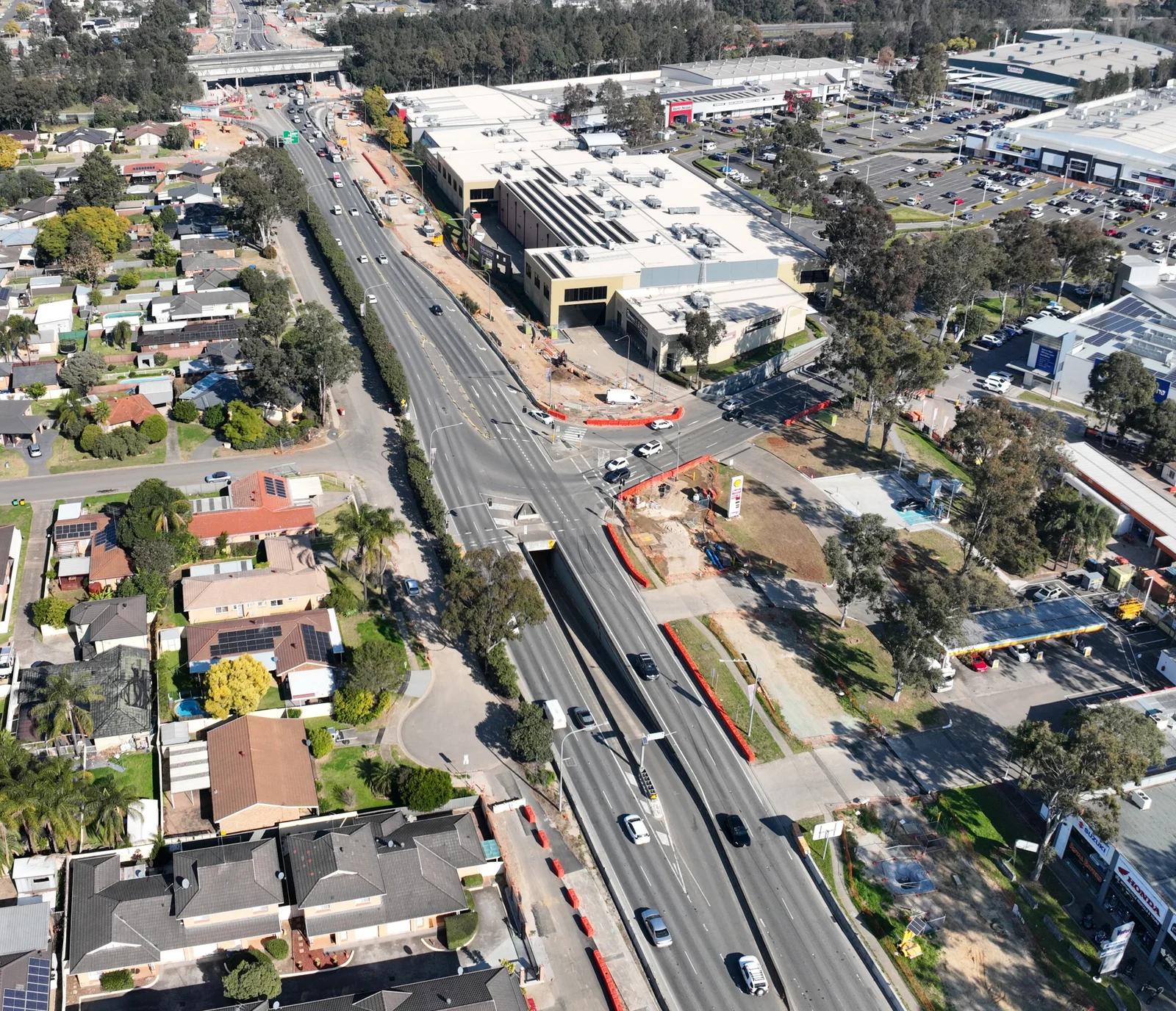
Cost, Schedule and Risk Integration
A reliable view of project performance starts with controls that are built for the program in front of you, not lifted from a template. We set up cost and schedule frameworks that produce numbers your team trusts and your board can act on.
Where a program is already underway, we test what is being reported against the contract and the evidence on the ground, and rebuild the parts that are not holding up.
- Cost and schedule reporting frameworks
- Program-wide risk visibility
- Independent progress verification
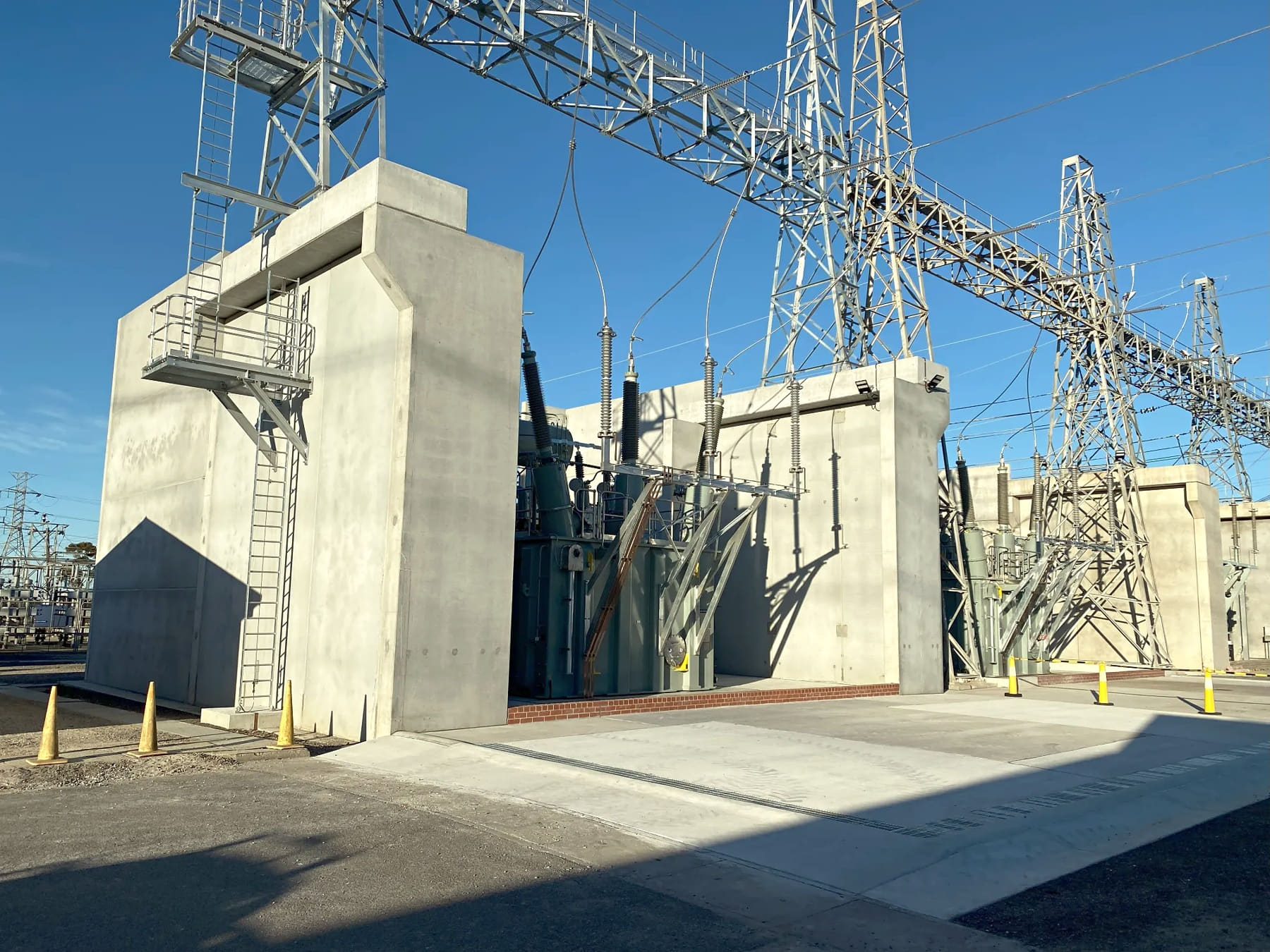
Confidence from design through to handover
Assurance is most valuable before a problem becomes a variation. We review design, construction and handover against the requirements actually written into the contract, and report what we find plainly.
The output is not a compliance document. It is a short, evidence-based view of where the project stands and what needs a decision.
- Independent design review
- Construction quality assurance
- Handover and defects oversight
How support is structured
Independent review
A one-off read on where the program actually stands, reported plainly.
Controls uplift
Strengthening the controls function you already have, rather than replacing it.
Embedded specialists
Experienced people working inside your delivery team for as long as the program needs them.
How we work
Our approach keeps advice focused on the decisions that matter, from establishing the current position through to implementing and monitoring the response.
Engage & Define
We establish the client's objectives, delivery environment and key concerns, then define a focused scope, required information and expected outcomes.
Assess & Diagnose
We review the available evidence, test the quality of information and challenge assumptions to identify the underlying causes and consequences of the issue.
Advise & Prioritise
We provide a clear view of the current position, emerging risks and available options, prioritising recommendations by urgency and commercial impact.
Implement & Monitor
Where required, we support implementation, monitor performance and adjust the response as project conditions change.